
Steel Grating Lead Time Guide: From Drawing Approval to Delivery
Project buyers do not need generic promises; they need a reliable timeline model that aligns technical release, factory execution, inspection, and shipping.

1) Qualification stage is not production stage
In B2B projects, early meetings focus on capability fit: product family, standards experience, standards basis, and quality documents. Treat this as qualification, not lead-time countdown. The production clock starts only after technical scope is frozen.
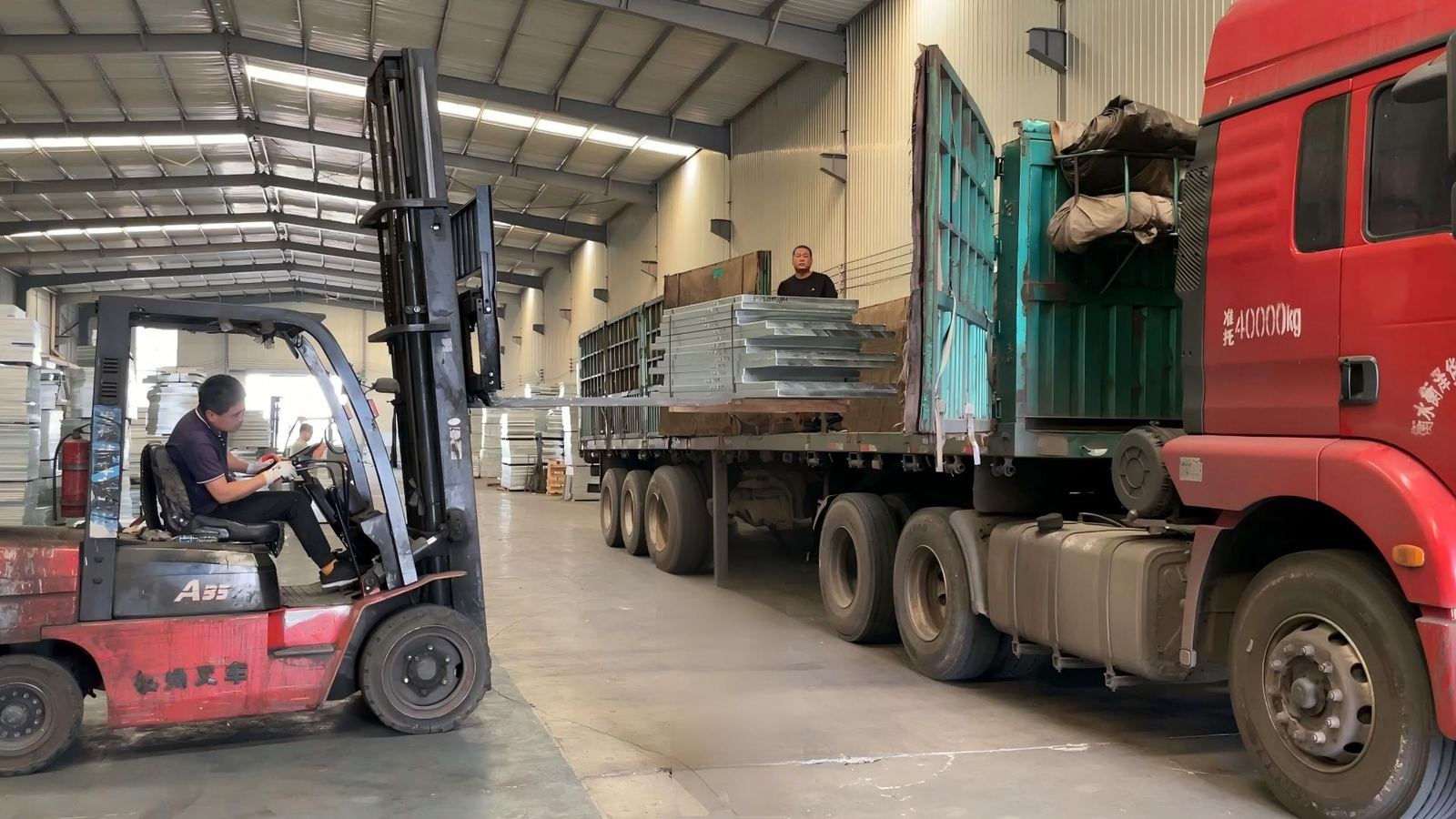
2) What defines release-to-production
- Approved panel drawings with support spans and orientation.
- Confirmed quantities by area or installation sequence.
- Material and finish confirmed (steel grating, FRP, galvanized, painted, etc.).
- Inspection and documentation requirements agreed.
- Commercial release and destination details confirmed.
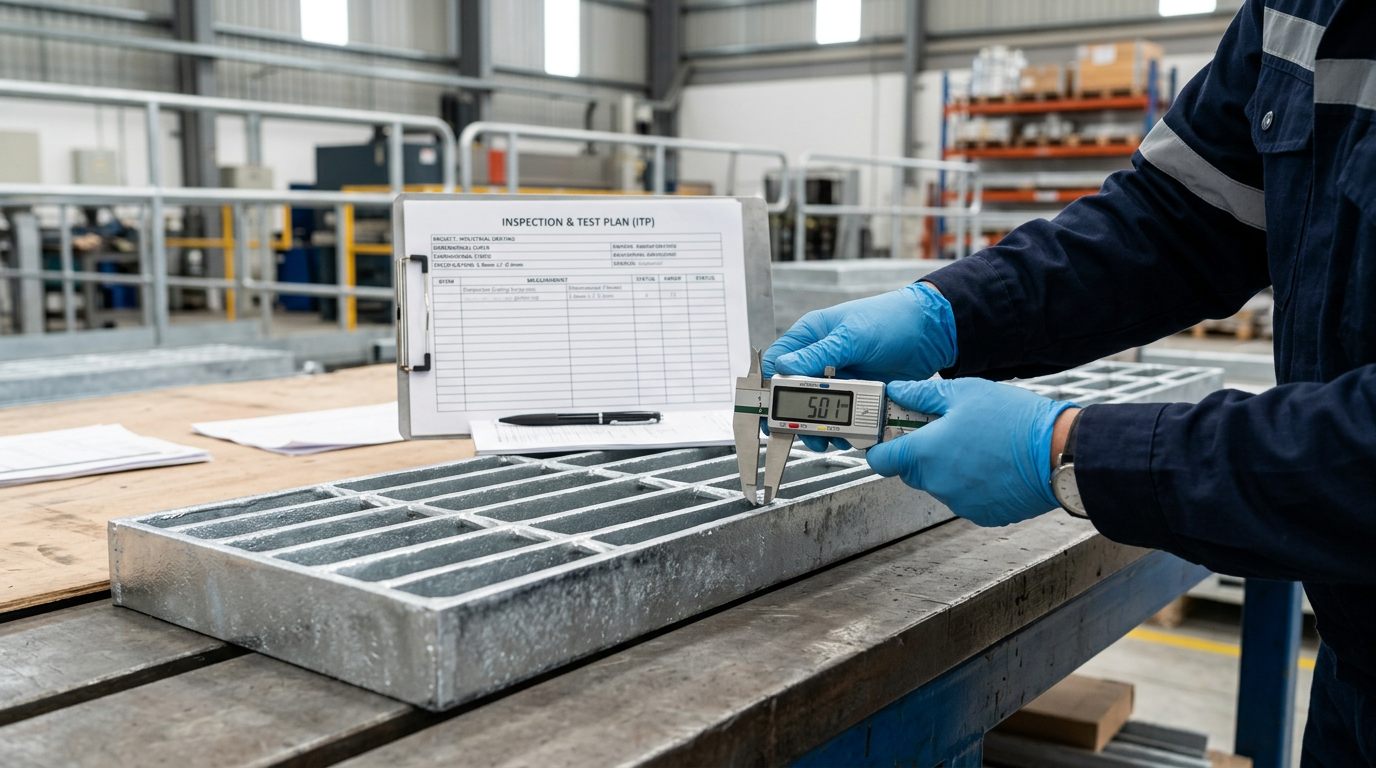
3) Typical timeline blocks buyers should track
Engineering clarification
Clarification loops on loads, cut-outs, and supporting steel can consume more time than fabrication. Use how-to-specify checklist to reduce back-and-forth.
Fabrication and fitting
Panel quantity, complexity, and mixed product scope (stair treads, trench covers, accessories) drive routing and queue priority.
Surface treatment and inspection
Galvanizing and inspection often become schedule-critical. If third-party witness is needed, book windows before coating completion.
Packing and shipment
Export packing, panel tagging, and split-lot shipment planning can de-risk site sequence when full lot delivery is not required.
4) Lead-time risk controls for procurement teams
- Split PO by installation criticality (Area A/B/C), not only by total tonnage.
- Require panel ID logic that matches erection drawings.
- Set hold points for drawing freeze, coating complete, and pre-shipment photos.
- Reserve route-specific transport float based on destination risk.
5) RFQ template that improves schedule confidence
When you submit RFQ, include: target date by zone, required documents, delivery terms, preferred packing format, and critical site constraints. That converts “quick quote—into a schedule-aware proposal.
Related resources
Specification workflow: How to Specify. Technical references: Downloads. Capacity validation: Load Capacity Explained. Finish decision: Surface Finish Guide.
Frequently asked questions
What starts the lead time clock for steel grating orders?
Lead time normally starts after approved drawings, confirmed quantities, finish agreement, and commercial release. Early technical discussion is not production start.
Why can galvanizing become the longest step?
Shared galvanizing capacity, kettle constraints, and quality hold points can create queue effects. Plan this at RFQ stage.
Can partial shipment reduce project risk?
Yes. Area-based split shipment helps critical zones start earlier when panel ID and packing logic are clear.
How much float should buyers reserve for export projects?
Use route and season specific buffers for customs, vessel rollover, and inland transfer, not generic assumptions.
What RFQ information most improves schedule accuracy?
Final spans, load class, finish system, standards basis, documentation scope, and destination details.